
Support and Emergency
Seeking support on how to tackle essential home alarms, or contact details for emergency services? you’ll find it all below.
-
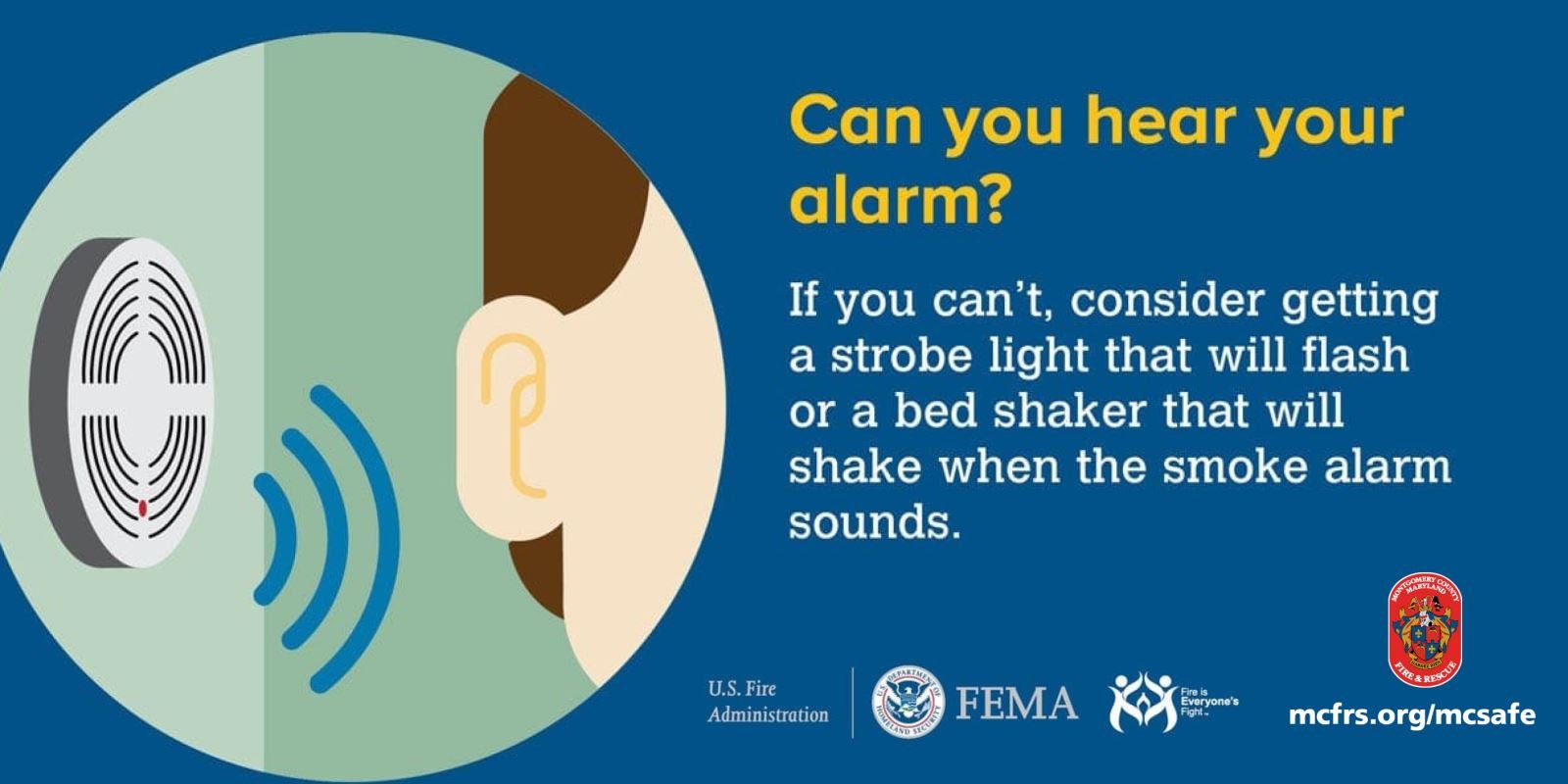
This device is very easy to use. The strobe can be placed in a location that is regularly used in your property, like your kitchen, whilst the Vibrating pad can be put under your pillow where you sleep or a cushion where you sit. An example of what one of these looks like is shown below:
They respond to wireless signals from Wi-Safe smoke alarms and Wi-Safe carbon Monoxide alarms from around the house. The strobe will activate immediately, giving you an early warning and a better chance of escaping.
Each device has individual patterns for each smoke and carbon monoxide alert. They provide protection when sound alone may not be enough.
The strobe features a Xenon bulb flashing strobe and LED status indicators.
The Strobe and Vibrating Pad alarms are ideal for the most at risk group such as:
deafened community
elderly
Young children
The alarms runs on batteries that must be changed on a monthly basis.
If you would like a Vibrating Pad and Strobe fitted in your home, please email secretaryjddeaf@gmail.com or phone/text ++++++++++ so this to be arranged.
Our local fire safety officer will come to your home and fit the device at a mutually convenient time.
-
The Carbon Monoxide Detector provides an early warning of the presence of CM in your home. Through an alarm and digital display.
The device displays 3 danger levels - low, high and crisis. It's very portable and can even be taken on holiday.
The Test & Reset button makes weekly tasks easy. The battery will need to be changed every year.
If you require further information, please get in touch.
-
Support contacts:
Audiology - Telephone: xxxxxxx Email:
General Hospital - Telephone: xxxxxx Email:
Hearing Resource Centre (HRC) - Telephone: xxxxxxx Email:
EMERGENCY:
Police Police website
Fire Service Telephone
Ambulance Telephone
-
It is important to keep your hearing aid in top working order. We highly recommend that tubing is replaced every 4 to 6 months.
If you have a problem, please go to the drop-in centre at:-
Hearing Resource Centre (HRC)
Audiology Department
Enid Quenault Health & Wellbeing
Les Quennevais Park
St.Brelade
It is open for free information and advice. You can also have your hearing aid batteries changed, retubing and cleaned, tubes can be sent to you upon request. Batteries and accessories are also available to purchase. Appointments can be made to see an audiologist.
Please be prepared for a short wait as it gets very busy. We will endeavour to repair your hearing aid whilst you wait, but you can, of course, leave your device in an envelope clearly marked with your name, date of birth, contact details and requirements.
Hearing aids are expensive medical devices; please take good care of them. If, for any reason, they are no longer required, please return them to the General Hospital or Audiology department. Old hearing aids are sent to developing nations charities to be re-used.